


Imagine Earth spinning through space for 4.5 billion years without humans ever walking its surface. This thought experiment appeals to nature lovers, science enthusiasts, and anyone curious about humanity's true impact on our planet.
What if humans never existed? This question reveals how dramatically our species has altered Earth's natural systems. Without human interference, our planet would look completely different today.
We'll explore how wildlife populations would thrive without hunting, habitat destruction, and climate change. You'll discover the untouched landscapes that would emerge from millions of years of pure natural forces. We'll also examine how other species might have evolved to fill ecological niches that humans currently occupy, creating entirely different evolutionary paths across the globe.
Earth's Natural Evolution Without Human Interference
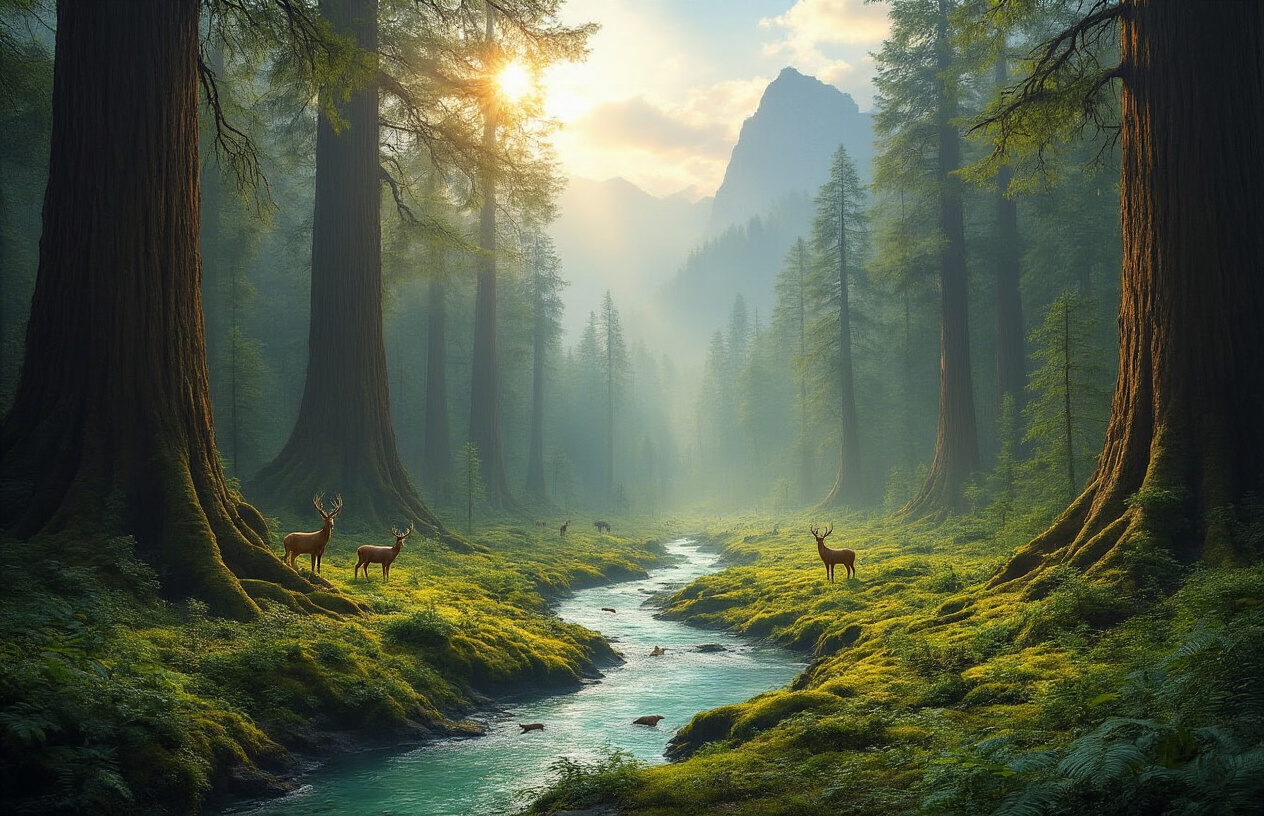
Climate patterns developing without industrial emissions
Earth's atmosphere would follow completely different patterns without the massive carbon dioxide emissions from human industrial activity. Natural climate cycles would dominate, with solar variations, volcanic eruptions, and ocean currents driving weather patterns across the globe. Ice ages would continue their natural rhythm, advancing and retreating based on orbital cycles rather than being disrupted by greenhouse gas concentrations.
The polar ice caps would maintain their prehistoric thickness, reflecting sunlight back into space and keeping global temperatures within natural bounds. Weather systems would be more predictable, following seasonal patterns that wildlife and plant communities evolved alongside for millions of years. Storm systems would still occur, but without the amplified intensity that comes from warmer ocean temperatures caused by excess atmospheric carbon.
Natural habitat expansion across continents
Vast forests would stretch unbroken across continents, with deciduous and coniferous woodlands covering areas now occupied by cities and farmland. The Amazon rainforest would extend even further into what we know as Brazil, while boreal forests would carpet northern regions without roads or settlements fragmenting their expanse.
Grasslands would roll endlessly across plains, supporting massive herds of grazing animals without fences or agricultural boundaries limiting their range. Wetlands would flourish in low-lying areas, creating natural water filtration systems and providing breeding grounds for countless species. Mountain ecosystems would remain pristine, with alpine meadows and old-growth forests climbing steep slopes undisturbed.
Uninterrupted migration corridors for wildlife
Animals would move freely along ancient pathways that connect breeding and feeding grounds across thousands of miles. Caribou herds would migrate unobstructed across the Arctic tundra, following routes their ancestors used for millennia. Bird species would travel along flyways without encountering light pollution, skyscrapers, or wind farms that currently disrupt their navigation systems.
Marine mammals would swim through ocean corridors free from shipping lanes and underwater noise pollution. Whales would communicate across vast distances without interference from engine noise, and their migration patterns would remain stable. Land bridges between continents would allow species to spread naturally, creating genetic diversity and adaptation opportunities that human barriers currently prevent.
Ocean ecosystems thriving without pollution
The world's oceans would maintain their natural chemistry balance without acidification from carbon dioxide absorption. Coral reefs would flourish in tropical waters, supporting incredible biodiversity with vibrant colors and complex ecosystem relationships. Fish populations would reach their natural carrying capacity, with predator-prey relationships maintaining healthy balance throughout marine food webs.
Ocean currents would flow unimpeded by warming temperatures, maintaining the circulation patterns that distribute nutrients and regulate global climate. Deep-sea environments would remain untouched by plastic debris, chemical runoff, and mining operations. Coastal areas would support rich kelp forests and seagrass beds that provide nursery habitats for juvenile marine species.
Wildlife Populations Flourishing in Human Absence
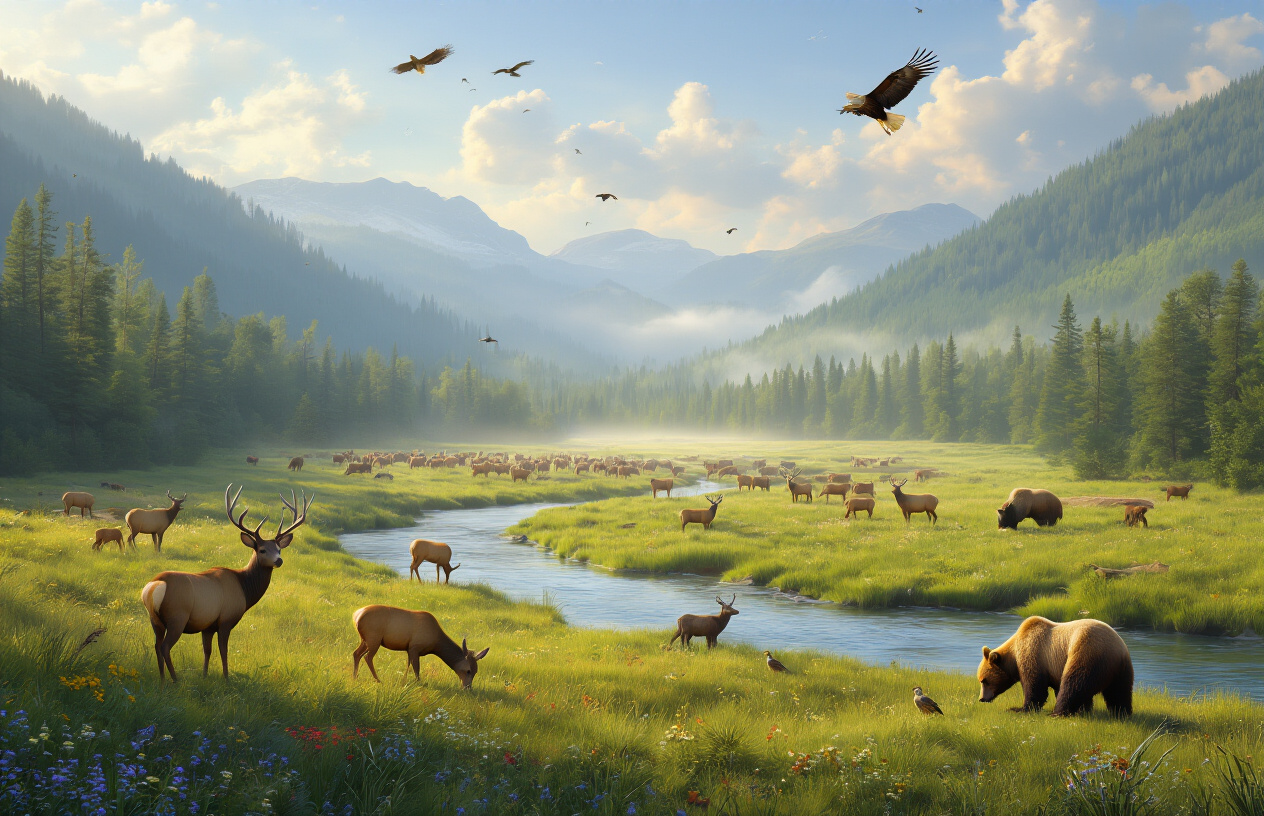
Megafauna Species Avoiding Mass Extinction
Earth's giants would roam freely across continents without human interference. Woolly mammoths would continue their seasonal migrations across the Siberian tundra, their massive herds shaping grassland ecosystems. American lions, cave bears, and giant ground sloths would maintain their ecological roles as apex predators and megaherbivores. The Australian continent would host massive wombats, marsupial lions, and towering flightless birds that vanished shortly after human arrival.
These colossal creatures served as ecosystem engineers, creating pathways through forests, dispersing seeds across vast distances, and maintaining grasslands through their grazing patterns. Their presence would prevent the dense forest overgrowth that occurred in many regions following megafauna extinction, keeping landscapes diverse and dynamic.
Predator-Prey Relationships Maintaining Natural Balance
Wolves would control deer populations across North America without hunting pressure or habitat fragmentation disrupting their pack structures. Large cat species would regulate herbivore numbers throughout Africa, Asia, and the Americas, preventing overgrazing and maintaining plant diversity. Apex marine predators like great white sharks would patrol ocean waters without persecution, keeping fish populations healthy and preventing ecological cascades.
The absence of human-induced pressure would allow predator populations to reach their natural carrying capacity, creating stable food webs where each species plays its designated role. Pack hunters would develop sophisticated strategies, solitary predators would claim larger territories, and prey animals would evolve enhanced survival mechanisms through natural selection.
Marine Life Prospering Without Overfishing
Ocean ecosystems would teem with fish populations at their maximum sustainable levels. Bluefin tuna would migrate in massive schools across ocean basins, their numbers measured in millions rather than thousands. Cod populations would blanket the North Atlantic, supporting complex food chains from zooplankton to seabirds. Whales would cruise through seas rich with krill, their populations unconstrained by whaling or ship strikes.
Coral reefs would stretch across tropical waters in pristine condition, hosting incredible biodiversity without bleaching from pollution or warming caused by industrial emissions. Deep-sea ecosystems would remain untouched by trawling, allowing ancient fish communities and unique species to thrive in the ocean's depths. Continental shelves would support massive kelp forests providing nurseries for countless marine species.
Bird Populations Soaring Without Habitat Destruction
Migratory bird populations would follow ancient flyways without encountering urban obstacles, agricultural pesticides, or climate disruption. Passenger pigeons would darken North American skies in flocks numbering billions, their seasonal movements creating natural spectacles across the continent. Countless songbird species would maintain stable populations without facing habitat fragmentation or invasive species introduced by human activity.
Seabird colonies would nest on undisturbed coastlines, their populations regulated only by natural predators and food availability. Raptors would soar over continuous wilderness areas, finding abundant prey without encountering power lines, wind turbines, or poisoned carcasses. Ground-nesting species would reproduce successfully without domestic cats, agricultural machinery, or urban development threatening their breeding sites.
Insect Biodiversity Supporting Robust Ecosystems
Pollinator networks would operate at peak efficiency without pesticide exposure or habitat loss. Native bee species would maintain complex relationships with flowering plants, ensuring robust reproduction cycles for countless plant species. Butterfly migrations would span continents uninterrupted, with monarch butterflies completing their multi-generational journeys across stable habitat corridors.
Decomposer insects would recycle nutrients efficiently through forest floors and grasslands, accelerating natural processes without interference from chemical treatments. Predatory insects would control pest species naturally, maintaining balance without human intervention. The intricate web of insect relationships would support bird populations, pollinate plants, and process organic matter, creating resilient ecosystems capable of adapting to natural environmental changes.
Landscapes Shaped by Nature Alone
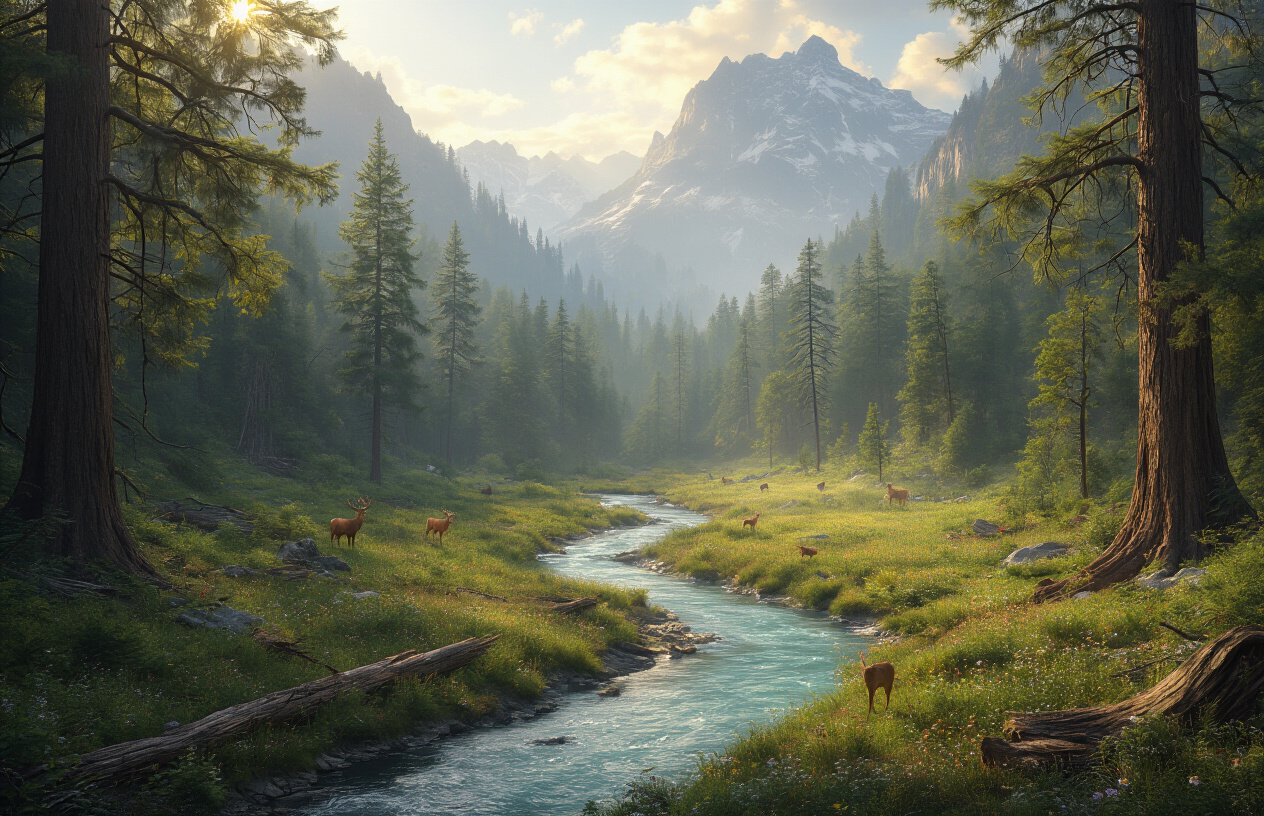
Forests covering vast territories unhindered
Without humans wielding chainsaws and bulldozers, the planet would be a dramatically different place. Picture massive forests stretching endlessly across continents, where ancient trees reach heights we can barely imagine today. These primordial woodlands would reclaim areas that are now cities, farmland, and parking lots.
The Amazon rainforest alone would span far beyond its current boundaries, potentially covering most of northern South America in an unbroken canopy of green. North American forests would create an almost continuous woodland from the Atlantic to the Pacific, with towering redwoods, oaks, and maples forming complex ecosystems that have never been interrupted by human development.
These untouched forests would develop intricate relationships between species over millions of years. Trees would grow to their maximum genetic potential, creating multi-layered canopies that support countless creatures. The forest floor would be rich with decomposing matter, creating incredibly fertile soil that feeds massive root systems and supports diverse plant communities.
Without roads cutting through them, these forests would maintain their own internal climate systems. They would regulate temperature, humidity, and precipitation patterns across entire continents, creating stable weather systems that benefit the entire planet.
Rivers flowing in their original courses
Rivers would carve their paths based purely on gravity and geology, creating meandering waterways that change course naturally over time. The Mississippi River might flow through completely different states, while the Colorado River could have carved entirely different canyons through the American Southwest.
Without dams blocking their flow, rivers would carry sediments to their natural destinations, building deltas and floodplains that change with seasonal patterns. Fish populations would migrate freely between freshwater and ocean environments, creating robust ecosystems that support massive biodiversity.
These natural waterways would flood seasonally, depositing nutrient-rich soil across vast plains and creating temporary wetlands that serve as breeding grounds for countless species. The Nile might still flood annually, creating a much larger fertile region across northeastern Africa. Asian rivers would flow unobstructed from mountain sources to the sea, supporting different agricultural patterns and wildlife populations.
River systems would connect ecosystems across vast distances, allowing species to migrate and adapt over time. Salmon runs would be more extensive, supporting larger populations of bears, eagles, and other predators that depend on these annual migrations.
Wetlands serving as natural water filters
Wetlands would cover dramatically more of the planet's surface, acting as giant kidneys that filter water naturally before it reaches larger bodies of water. These marshy areas would stretch for hundreds of miles in low-lying regions, creating some of the most biodiverse habitats on Earth.
The Florida Everglades would likely extend much further north, while prairie potholes would dot the entire Great Plains region. Coastal wetlands would buffer inland areas from storms and rising sea levels, while inland marshes would prevent flooding and drought by storing and slowly releasing water.
These natural filtering systems would keep water incredibly clean without any human intervention. Plants and microorganisms would break down organic matter and absorb excess nutrients, preventing the algae blooms and dead zones that plague many water bodies today. The water emerging from these wetlands would be crystal clear and full of life.
Migratory birds would have vast networks of wetland stops during their journeys, supporting populations that dwarf current numbers. Amphibians, reptiles, and aquatic mammals would thrive in these pristine environments, creating food webs that support incredible biodiversity throughout the water-land interface zones.
Alternative Evolutionary Paths for Other Species
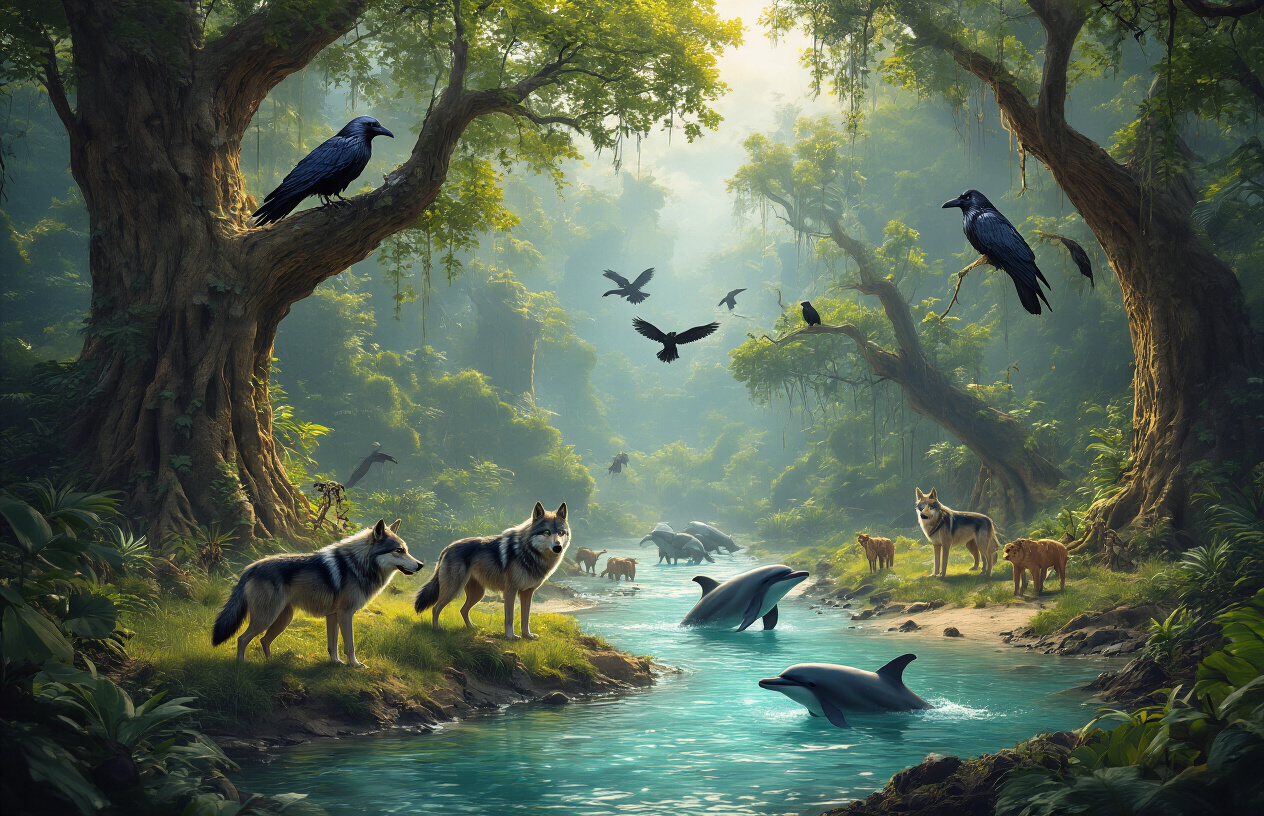
Enhanced Intelligence Development in Primates
Without human competition for resources and territory, primates would have millions of additional years to develop their cognitive abilities. Great apes like chimpanzees, bonobos, and orangutans already demonstrate remarkable problem-solving skills and social intelligence. Given enough time, these species could evolve significantly larger brains and more sophisticated reasoning abilities.
Bonobos might develop complex mathematical concepts through their natural sharing behaviors, while chimpanzees could advance their tool-making beyond simple sticks and stones. The absence of human hunting pressure would allow primate populations to grow larger, creating more opportunities for knowledge transfer between generations. Large social groups often drive intelligence evolution, as individuals need to navigate increasingly complex relationships and hierarchies.
Mountain gorillas, freed from habitat destruction, could develop new forms of communication and cooperative strategies. Their natural gentleness combined with enhanced intelligence might lead to remarkable peaceful societies. These evolved primates might even develop primitive forms of agriculture, cultivating specific plants and managing forest resources in ways that benefit their entire ecosystem.
Tool Usage Evolution in Dolphins and Octopi
Marine environments offer unique opportunities for intelligence development without human interference. Dolphins already use sponges as tools and teach these techniques to their offspring. Over millions of years, they could develop sophisticated underwater technologies, possibly creating complex structures from coral and manipulating their environment in ways we can barely imagine.
Their echolocation abilities might evolve into something resembling underwater radar systems, allowing them to map vast ocean territories and communicate across enormous distances. Different dolphin pods could specialize in various skills - some becoming expert navigators, others developing advanced hunting techniques, and still others focusing on what we might call dolphin engineering.
Octopi represent even more fascinating possibilities. These creatures already demonstrate incredible problem-solving abilities and tool use despite their relatively short lifespans. Without human fishing pressure and ocean pollution, octopi could evolve longer lifespans, allowing for greater knowledge accumulation. Their ability to change color and texture could develop into a sophisticated visual language system.
Giant Pacific octopi might create underwater cities using their manipulation skills, building structures that serve multiple generations. Their descendants could develop ways to preserve and pass down knowledge, potentially creating the first non-human libraries stored in carefully arranged coral formations or underwater cave systems.
Communication Systems Advancing in Social Animals
Elephants already possess complex communication networks, using infrasonic calls that travel for miles. Without human encroachment, elephant herds could grow much larger, creating opportunities for even more sophisticated communication systems. These enhanced networks might develop into something resembling primitive telecommunication, with different herds specializing in gathering and sharing specific types of information across vast territories.
Wolves present another intriguing possibility. Their pack structures and howling patterns could evolve into complex linguistic systems. Large wolf populations, unhindered by human hunting, might develop regional dialects and specialized vocabulary for different situations - hunting calls, weather warnings, and territorial negotiations.
Corvids like ravens and crows already demonstrate remarkable intelligence and problem-solving abilities. These birds could develop symbolic thinking and abstract communication, possibly even primitive writing systems using arranged objects or markings. Their ability to remember human faces suggests they have the cognitive foundation for much more complex social recognition systems.
Whales might develop the most sophisticated communication systems of all. Their songs already travel across ocean basins, and some species seem to have cultural variations in their calls. Unimpeded whale populations could create globe-spanning communication networks, with different species potentially learning to understand each other's languages.
Potential Emergence of New Dominant Species
The absence of humans creates space for entirely new dominant species to emerge. Raccoons, with their dexterous paws and problem-solving abilities, could evolve into something resembling primitive technologists. Their natural curiosity and adaptability might lead them to develop complex societies with specialized roles and sophisticated tool use.
Certain bird species, particularly those in the corvid family, might eventually develop ground-dwelling variants with enhanced manipulation abilities. Imagine ravens that evolved stronger legs and more dexterous feet, allowing them to build complex structures while maintaining their flight abilities for reconnaissance and communication.
Bears represent another possibility for dominance. Their intelligence, combined with their physical capabilities, could lead to remarkable developments. Brown bears might evolve enhanced social behaviors, creating bear communities that work together to modify their environments in beneficial ways.
Even more speculatively, cephalopods could potentially colonize land environments. Octopi that gradually adapted to spending more time in tidal pools might eventually evolve the ability to live primarily on land, bringing their incredible intelligence and manipulation skills to terrestrial environments.
| Potential Dominant Species | Key Advantages | Evolutionary Timeline |
|---|---|---|
| Enhanced Primates | Existing intelligence, tool use | 5-10 million years |
| Advanced Dolphins | Marine dominance, echolocation | 10-15 million years |
| Corvid Descendants | Flight, problem-solving | 15-20 million years |
| Terrestrial Cephalopods | Intelligence, adaptability | 20+ million years |
The emergence of any new dominant species would fundamentally reshape Earth's ecosystems, potentially leading to technological developments we can't even imagine. These species might develop sustainable relationships with their environments, creating a very different kind of civilization than humans ever achieved.
Planetary Systems Operating at Full Capacity
Carbon cycle functioning without human disruption
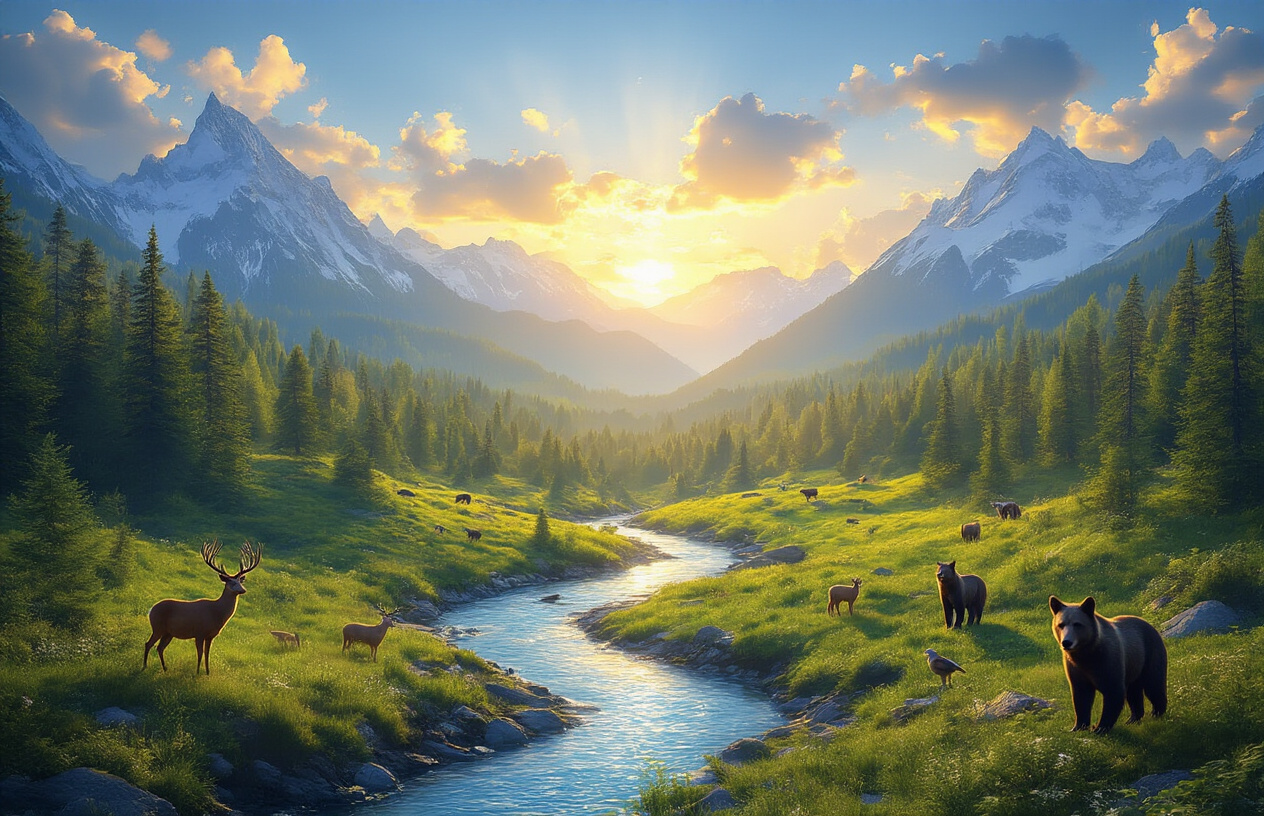
Without humans burning fossil fuels and clearing forests, Earth's carbon cycle would operate in perfect harmony. Massive old-growth forests would stretch across continents, storing incredible amounts of carbon in their towering trunks and rich soil. These ancient woodlands would act as enormous carbon sinks, pulling CO2 from the atmosphere at rates we can barely imagine today.
Ocean chemistry would remain stable, with pristine waters absorbing carbon naturally through marine life processes. Phytoplankton populations would thrive without pollution or temperature stress, creating vast underwater forests that cycle carbon efficiently through marine food webs. Coral reefs would flourish in balanced waters, supporting complex ecosystems that manage carbon exchange between ocean and atmosphere.
Natural wildfires would play their intended role, cycling carbon through landscapes on geological timescales rather than creating the massive emissions we see today. Peat bogs, wetlands, and permafrost would remain undisturbed, keeping their stored carbon locked away for millennia.
Nitrogen and phosphorus cycles maintaining balance
The nitrogen cycle would flow seamlessly through natural pathways. Nitrogen-fixing bacteria in soil and plant roots would work alongside decomposer organisms to create a steady supply of nutrients for plant growth. Without synthetic fertilizers disrupting this balance, ecosystems would develop sophisticated recycling networks where every scrap of nitrogen gets reused efficiently.
Rivers and lakes would run clear, free from agricultural runoff that creates dead zones in our current world. Natural phosphorus cycling would proceed at its slow, steady pace through rock weathering and organic matter decomposition. Marine ecosystems would maintain their delicate nutrient balances, supporting diverse food webs without the boom-bust cycles caused by excess nutrients.
Water cycle operating with maximum efficiency
Pristine watersheds would demonstrate the water cycle at its most elegant. Vast forest canopies would intercept rainfall, releasing moisture back to the atmosphere through transpiration in a continuous loop. Root systems would create natural water storage networks, preventing floods while maintaining steady stream flow during dry periods.
Wetlands would dot the landscape, acting as natural sponges that filter and purify water while providing habitat for countless species. Snow pack in mountain ranges would melt gradually, feeding rivers throughout growing seasons without the erratic patterns caused by human interference.
Soil formation and preservation proceeding naturally
Deep, rich soils would accumulate over thousands of years without erosion from agriculture or development. Complex communities of soil organisms would build intricate networks, creating the foundation for thriving ecosystems above ground. Mycorrhizal fungi would connect plant roots across entire forests, sharing nutrients and information through underground highways.
Natural succession would create diverse soil profiles perfectly matched to local climate conditions. Prairie soils would build their famous black earth through centuries of grass growth and decay, while forest soils would develop their characteristic layers through patient leaf litter accumulation and root activity.

Earth would have developed along completely different pathways without human influence. Wildlife populations would have reached their natural carrying capacities, creating balanced ecosystems where predator-prey relationships kept everything in check. Landscapes would showcase nature's raw architectural power - massive forests stretching across continents, rivers carving their own courses without dams or diversions, and wetlands filtering water naturally across vast regions.
The absence of human intervention would have opened up fascinating evolutionary opportunities for other species. Some animals might have developed higher intelligence levels, while others could have grown to enormous sizes without hunting pressure. Our planet's natural systems would be running at peak efficiency - carbon cycles perfectly balanced, ocean currents uninterrupted, and atmospheric conditions regulated by thriving forests and grasslands. While we can't turn back time, understanding these possibilities reminds us how powerful our impact really is and why protecting what's left of our natural world matters more than ever.


0 Comments